Examples of concerns an athlete may bring:
“I’m back in training, but I can’t move as I did before.”
“I just can’t do the movement I’ve been coached to perform.”
“I find it hard to produce force in an instant.”
“When the load continues, I can’t maintain my movement or output.”
Support starts by sharing what the athlete is struggling with, and in which situations.
Based on what the athlete and the staff who support them day to day tell us, we consider what we can check in the muscles and how we can be involved.
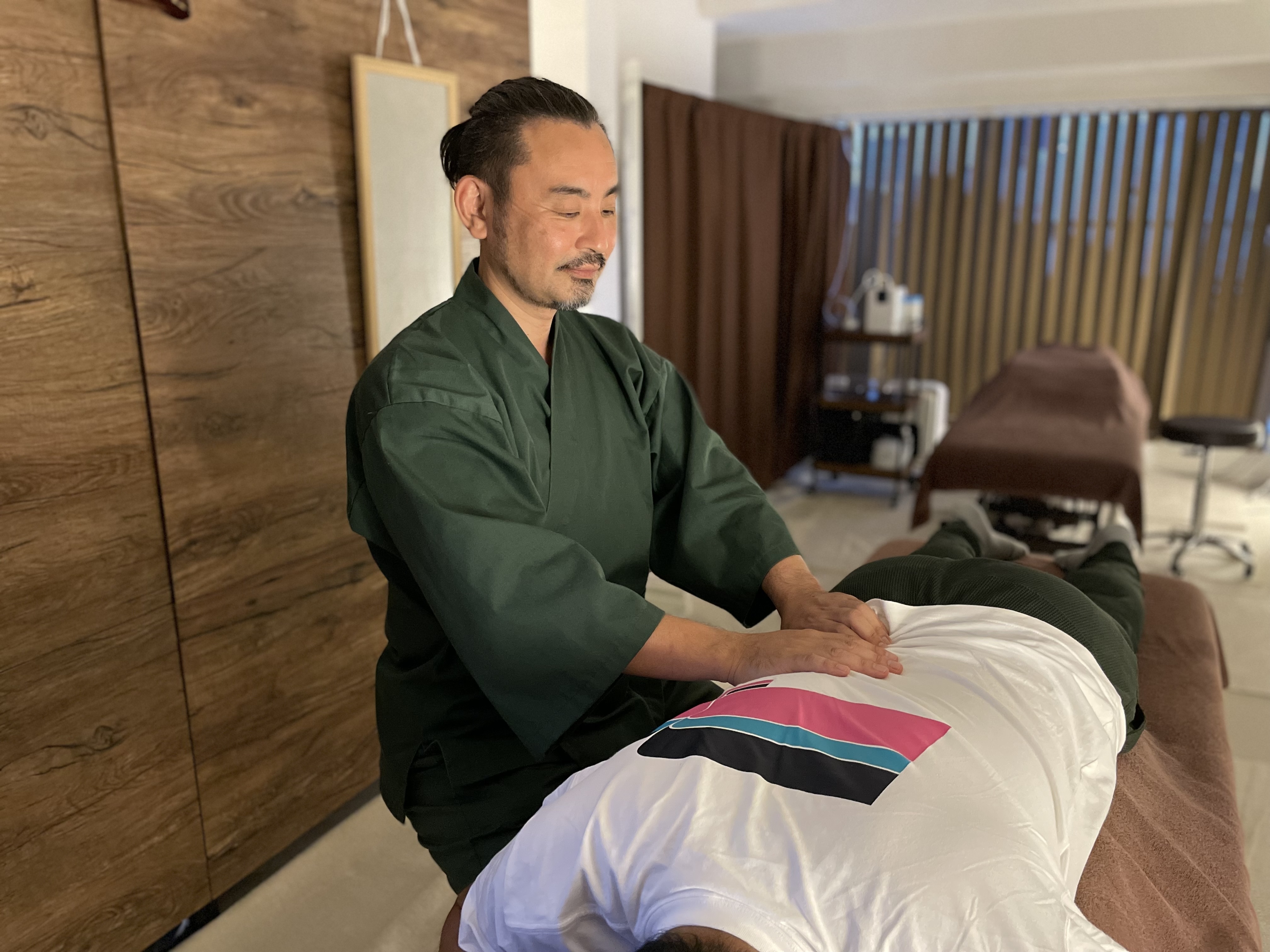
First, define what the athlete wants to achieve
We link a goal such as “I want to improve my performance” to actual movements and situations.
Scroll sideways to read the full table.
| What we share | Examples of specific content |
|---|---|
| What the athlete wants to be able to do | Change direction exactly as intended. Produce force when stepping in. Maintain movement under sustained load. |
| What is difficult now | Movement is difficult in one particular direction. They cannot produce full force even when they try. Their movement changes in the later part of training. |
| When and how it changes | Moving is easier straight after care, but the problem returns. It becomes difficult after particular training. Movement has been different since a previous injury. |
| What has been done so far | The care being received and the training being done, with what has changed and what issues remain in each. |
The cause does not need to be known at the start. We use the athlete’s own sense and what the athlete’s staff are seeing as cues for our checks.
Sharing the issue before planning support
Confirm what the athlete wants to achieve and the situations that are currently difficult
Consider which movements, aspects of muscle condition and responses to load to look at
Compare the actual movement with the condition of the muscles
Consider hands-on work, self-care, working with the athlete’s staff and other options
If we respond, check what changed and how
Share the remaining issues and what we want to check afterwards
The movements we check, and the period over which we look for change, differ according to the athlete’s concerns. We do not apply the same steps or methods to every athlete; we plan according to the issue.
What we share after the first check
Even when we provide hands-on work, we do not stop at whether the muscles have softened. We check what change has appeared in relation to the issue shared at the start.
Scroll sideways to read the full table.
| What we share | How it feeds into the next step |
|---|---|
| What changed | Share how easily the athlete moves and produces force, and any movements they can now perform. |
| What is still difficult | Organise the issues to consider next, such as further work on the muscles, coaching or training. |
| What cannot be known on the spot | Decide what to check later, such as whether the change lasts after the load of training or competition. |
For example, whether the athlete changes direction better on the spot and whether that movement holds up in competition are checked on different occasions. With issues related to endurance, too, we do not draw conclusions from the immediate impression alone; we consider them together with the training content and how things progress afterwards.
Choosing how to be involved to fit the current support set-up
There is no need to introduce every form of support from the start. Based on the issues identified, we discuss which forms of involvement are needed: direct hands-on work, self-care, ongoing checks, sharing information with the athlete’s staff, or practitioner training.
The overall picture of the support we can offer is explained in D-1, practitioner training for care practitioners in D-3, and collaboration during periods without direct hands-on work in D-4.
Deciding the next step together
When starting support, we share what the athlete and their staff are aiming for, and how training and care are currently being carried out. On that basis, we discuss what to check and with whom, and how changes will be shared.
Specific conditions, such as location, frequency, how we work together and fees, are decided according to the issue and the support set-up.
First, define in concrete terms what the athlete in front of us is struggling with. Then look for cues in the condition of the muscles and in movement, and carry the changes we confirm into the next step. We go through this process together with the people who support the athlete.