For athletes
You want to move freely, produce force quickly, and hold your movement under sustained load. We agree on the situations that matter and combine hands-on work, self-care and ongoing checks.
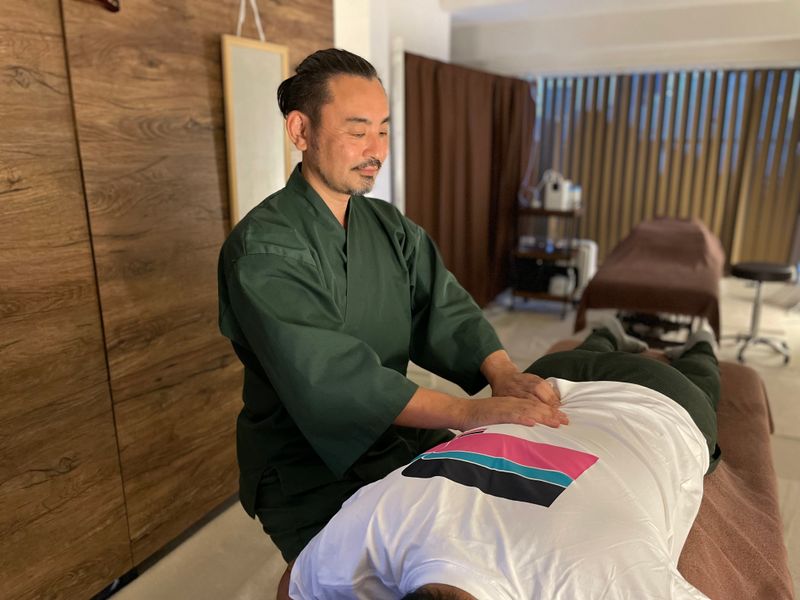
Zeroka Seitai looks at the quality of muscle stiffness alongside the actual movement, and plans where to work, how, and in what order. We share what has changed and what remains, and check how the athlete responds after training and competition loads before planning the next step.
We aim to work alongside the trainers, practitioners and medical staff who already support the athlete, adding our expertise where a case is particularly difficult.
Whether you are the athlete or part of the team around them, start with the situation closest to yours.
We compare remaining stiffness, in the injured area and in areas that have been compensating, with the movement itself.
Movement after returningWith the athlete’s coaches, we consider what may change through hands-on work and what needs to be learned through practice.
Working with movement learningWe review factors not yet addressed, subsequent loads, and the demands on compensating areas.
Stiffness that returnsWe review training and competition loads and the demands on compensating areas.
Repeated injuriesWe repeatedly check responses after load and connect hands-on work, team support and Zeroka Seitai self-care methods that athletes can use between sessions.
Return and ongoing supportWe share changes in muscles and movement after training as input for decisions on load, recovery and care.
Checking load and careDiscuss a way of working together that fits existing roles.
Working with the current teamAsk about hands-on training for people who care for athletes.
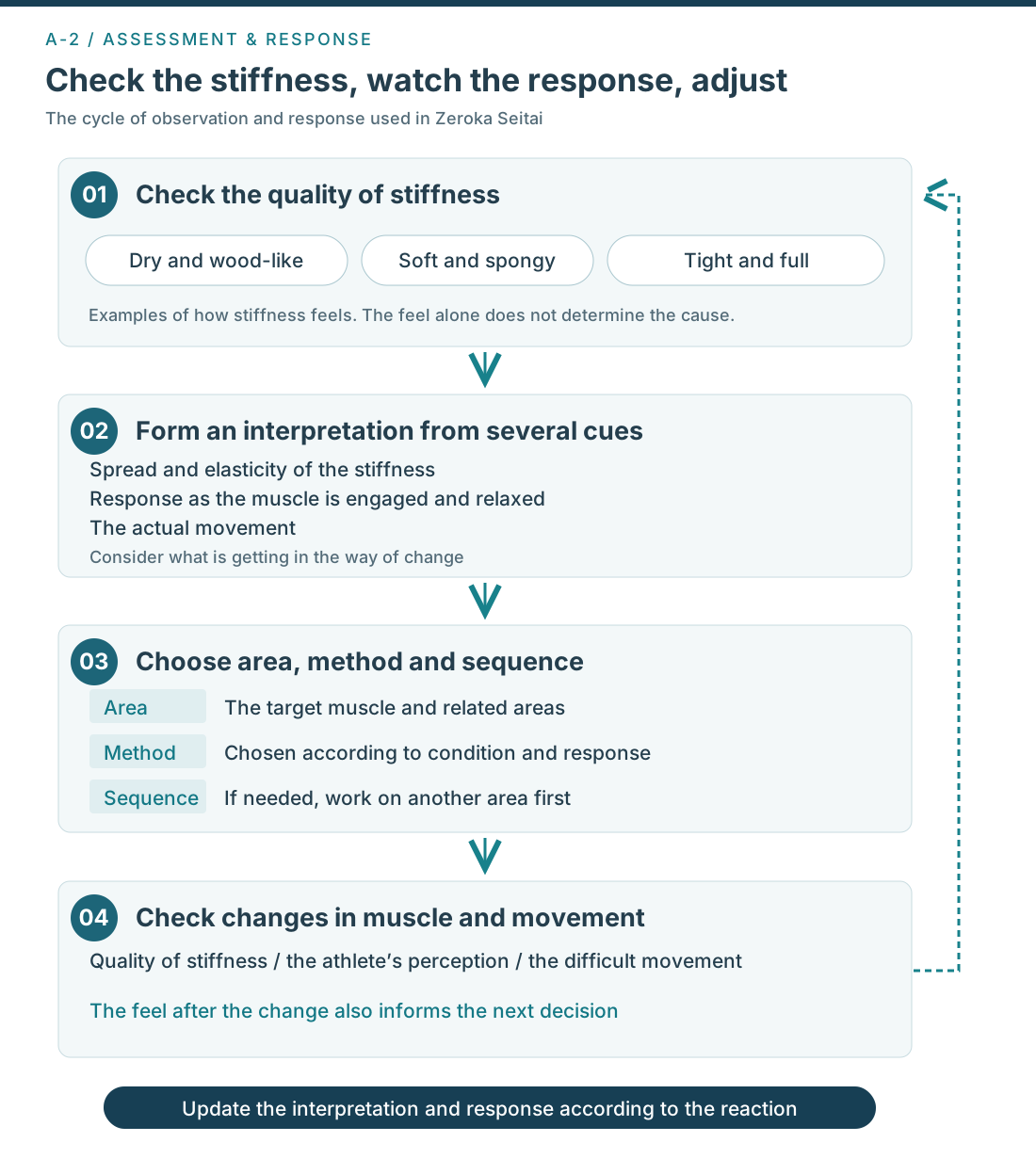
Practitioner trainingThe stiffness may feel dry and wood-like, soft and spongy, or tight and full. We look at these qualities, along with elasticity and distribution, and at how the muscle responds as the athlete engages and relaxes it. We compare these observations with the movement itself.
We think several factors can overlap. One is what we call “muscle lock”, a concept used in Zeroka Seitai rather than an established diagnosis. When working on it does not bring enough change, we reconsider the area and sequence as well as the method.
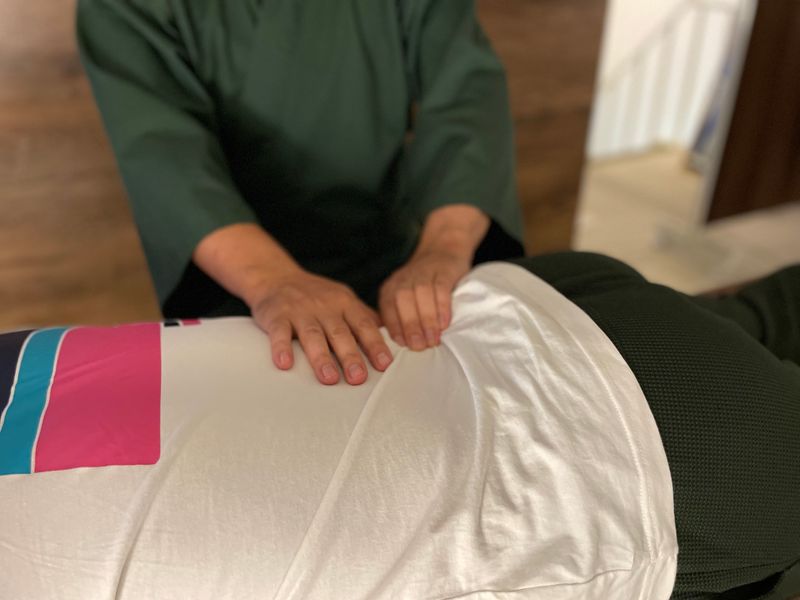
Specific hands-on techniques are covered in practitioner training.
Moving more easily after a session and keeping that movement under training or competition load are checked separately.
The movement to achieve and the situations that are difficult now, with the athlete and their staff.
Compare stiffness and responses with the actual movement, and choose a response.
In the muscles, in the athlete’s own perception, and in the original movement.
Whether stiffness returns after training or competition, or strain shifts elsewhere.
What holds, what remains, and what to adjust in hands-on work, self-care and team support.
We propose sharing our findings alongside the athlete’s own perception and the team’s existing tests and assessments. Decisions on return and participation rest with medical and coaching staff, together with the athlete.
You want to move freely, produce force quickly, and hold your movement under sustained load. We agree on the situations that matter and combine hands-on work, self-care and ongoing checks.
We share what changed after hands-on work, what remains, and how the body responded after training. You can weigh this alongside your own assessments of coaching, load and recovery.
When problems do not fully resolve, we share how we distinguish types of stiffness, form a working interpretation, choose area, method and sequence, and check the result. Specific techniques are covered in practitioner training.
One person may hold more than one of these roles. We agree how to work together based on the current set-up and each person’s experience.
We distinguish four kinds of information:
The research on returning from injury that we cite concerns professional football; we do not assume its findings apply directly to other sports or to youth athletes. It does not test the effectiveness of Zeroka Seitai or of working on muscle lock. Some of the mechanisms we propose remain unconfirmed, and we do not present them as externally verified. Our interpretations are kept separate from injury diagnosis and medical evaluation.
Why does a muscle take time to change? Why can the same approach bring different responses in different people, or in the same person on different days?
These questions, which arose in hands-on practice and technique development, led Shion Ayukawa to explore how readily muscles release, resist release, or tighten again. They later extended to what different approaches have in common, and why training works in some cases and not in others.
Shion was also involved in developing hands-on techniques for professional athletes. The insights from that experience, and the independent inquiry pursued after leaving that project, now inform Shion’s teaching and courses for practitioners.
Shion’s current work centres on people who show little change despite trying various approaches, carrying forward both the changes seen in practice and what is not yet explained.
You do not need to know the cause. Athletes, coaches, trainers, care practitioners and people making a referral can all get in touch.
From there, we discuss who should check what, and how to combine hands-on work, self-care, team collaboration and practitioner training. Location, frequency, ways of working together and fees are agreed in that discussion.
We first correspond by email to understand your enquiry. We then discuss with you how to proceed, including whether translation or an interpreter is needed.